


Gemplers


Outfit, Equip, & Protect Your Crew
SHOP BY INDUSTRY


Solutions for Your Business

Start Saving on
Large Orders
Learn More
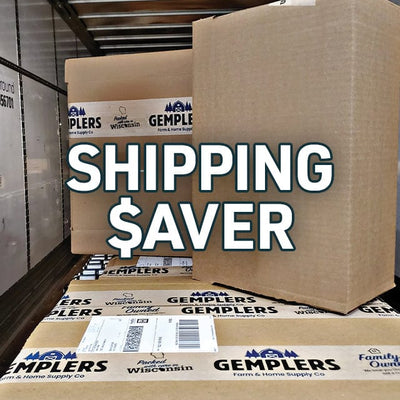
Unlimited Ground Shipping for 1 Year
BUY NOW
Become a Gemplers Distributor
Learn More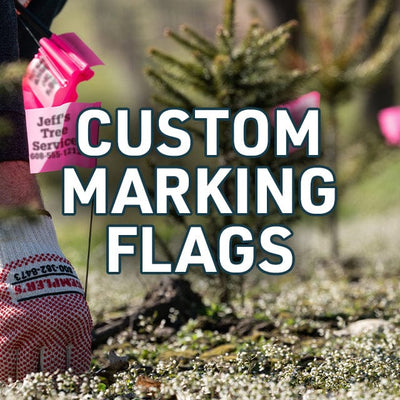
Promote Your Business
Shop NowExclusive Savings See all
10% off Safety for Your Crew
Shop now. Keep your crew dry, safe, and seen.
Free Gift with $100+ Purchase
Learn more. The more you spend, the bigger the gift!
Tool Storage: Buy 3, Get 1 Free
Shop now. Use code: RACK4FREE. Sale ends 6/30.
Buy 5+, Get 10% Off Each
Shop qualifying tools & supplies. Mix & Match.
Free Shipping: $149+ Orders
Shop now. Use code FS149 at checkout.
Unlimited Ground Shipping for 1 Year
Get Shipping Saver today & your orders ship free for 1 year!
Safety Essentials Shop Now
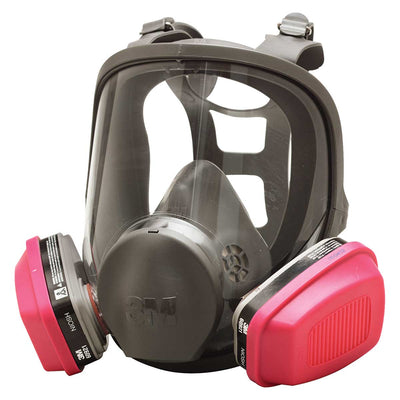
5% OFF
3M Full Face Respirator Kit with OV/P100 Filter Cartridges

10% OFF
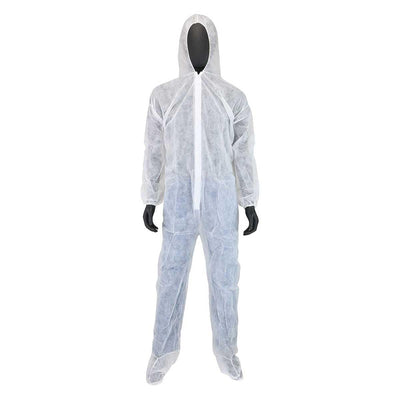
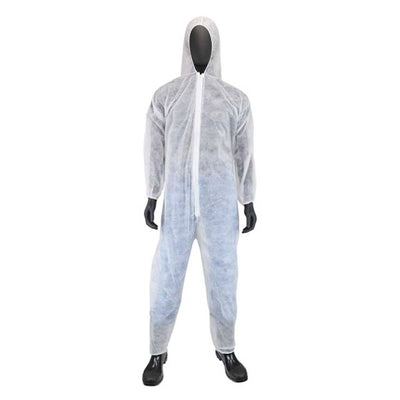
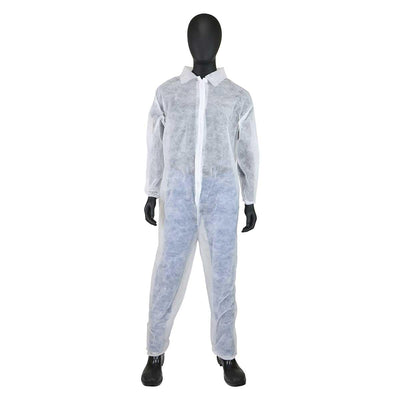
PIP Basic SBP Coveralls | 25 Pk

10% OFF
Honeywell HL400 MAXIMUM Earplug Dispenser

10% OFF
Honeywell HL400 Laser Lite® Earplug Dispenser

10% OFF
Honeywell HL400 MAXIMUM Lite Earplug Dispenser
Marking Supplies for Season Shop Now
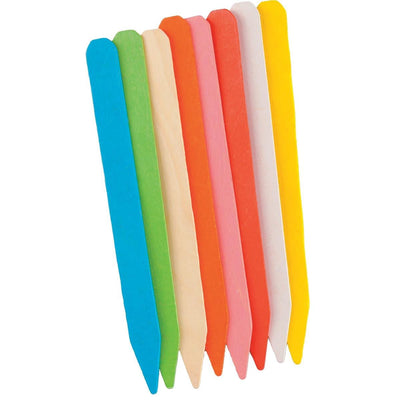
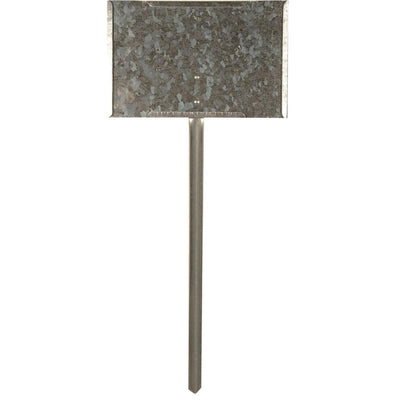
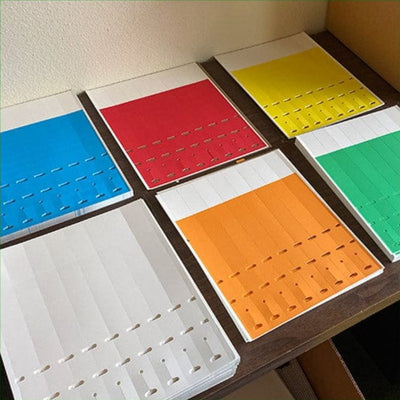
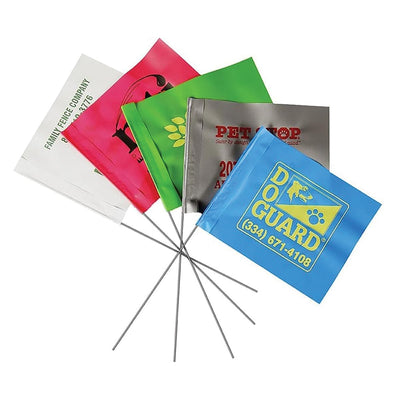
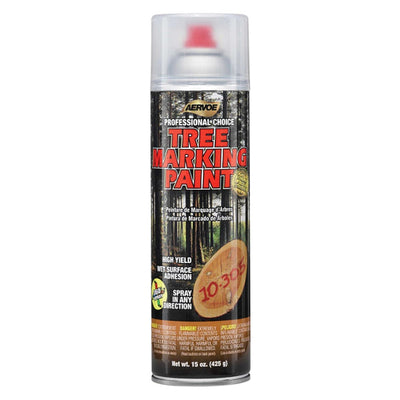
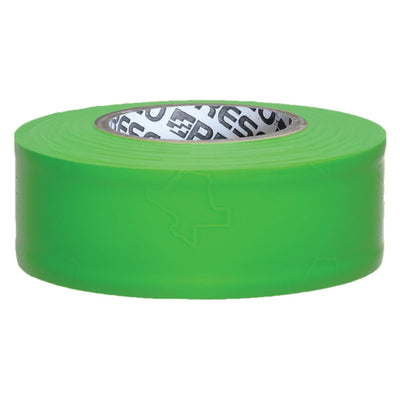
USA MADE
Texas Flagging Tape
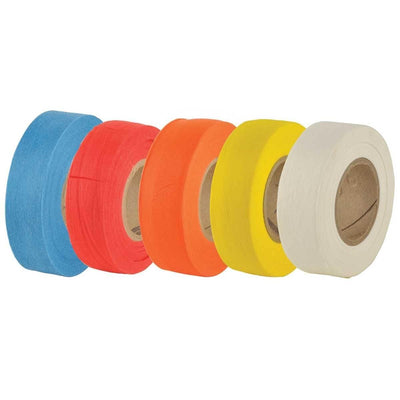
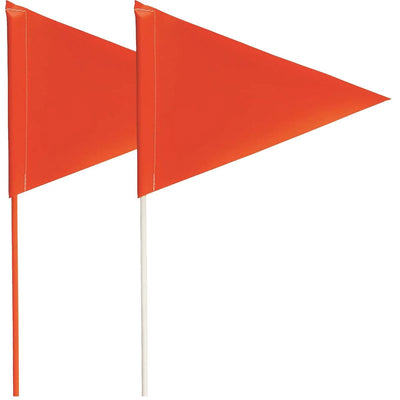

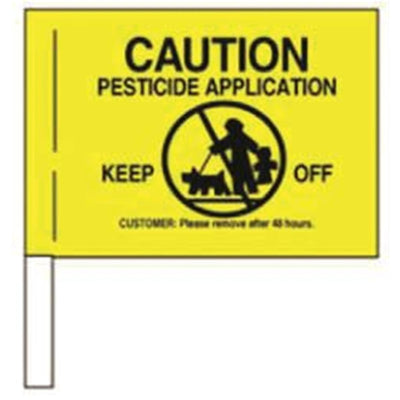
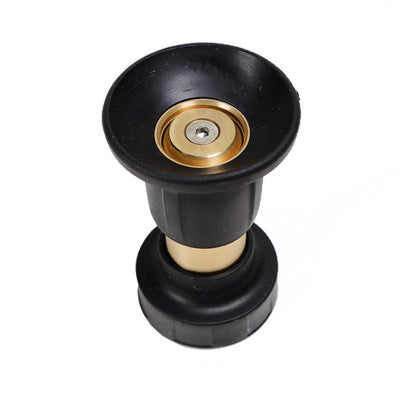
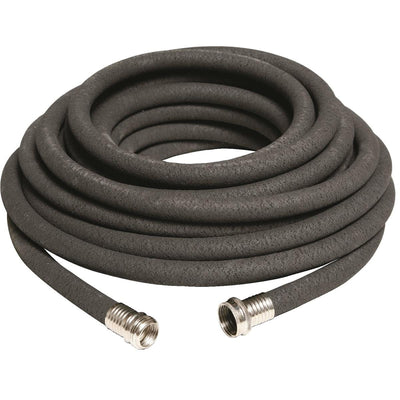
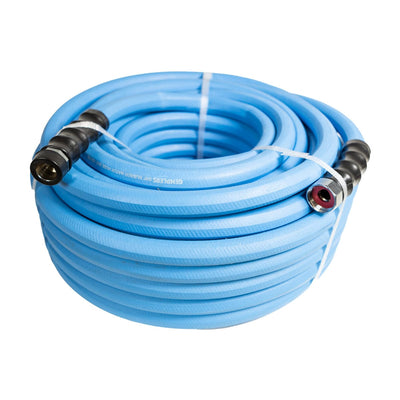
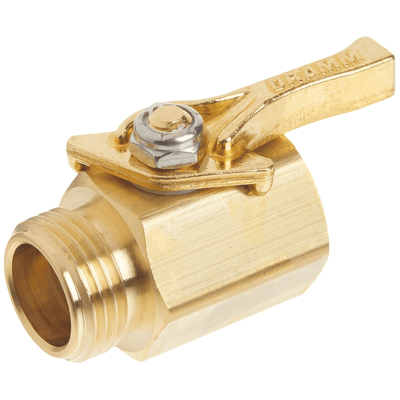
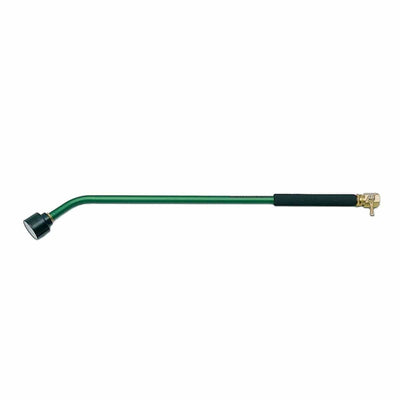
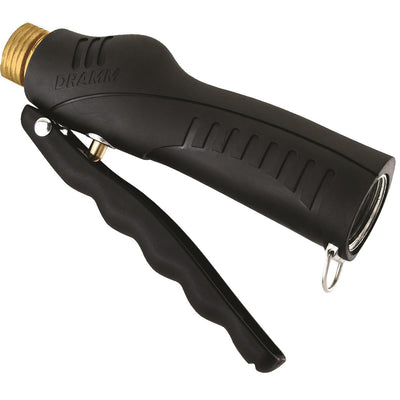
Pro-Grade Watering & Irrigation Supplies Shop Now
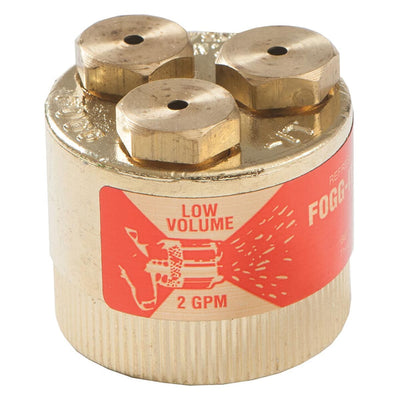
Fogg-It-Nozzles

5% OFF
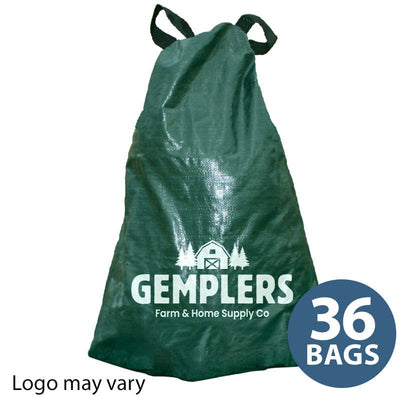
Gemplers Tree Watering Bags | 36 Pack
At Gemplers, We Treat You Like a Neighbor, Not a Number.


Gemplers Guarantee
If the product doesn't work for you, we'll make it right. Guaranteed.

Price Match Promise
See a lower price elsewhere? We’ll match it. No Games.

Fast, Affordable Shipping
Orders placed by 3pm CT ship same day, Monday through Friday.

Hand-Picked Products
Our team of experts has selected and tested each product.
12,000+ 5 Star Reviews
Why Outdoor Professionals Always Choose Gemplers

"Gemplers is my one stop shop to get my guys the gear they need. I get all our PPE, measuring cups, rain gear, jackets, and gloves, shovels, and rakes, and just about anything to outfit my crew."
- Brian C., Miacomet Golf Club

"I need pro-grade gear I can trust. Gemplers has what I need and I get it fast. And we love their personalization services – they put our logo on jackets and shirts for our crew and it looks great."
- Jason M., Saunders Brothers Nursery

"I need to get supplies from a reliable source and who knows how to navigate the university system. Gemplers checks both these boxes and I trust them to get me the things I need to do my job.”
- BreAnn H., Mississippi State University
