
Changing a Tractor Tire - Liquid Ballast
|

Dismounting | Mounting |
Liquid Ballast | Tire
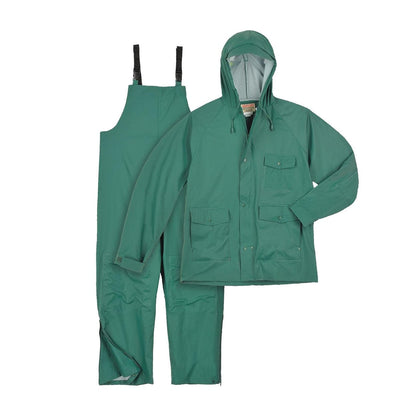
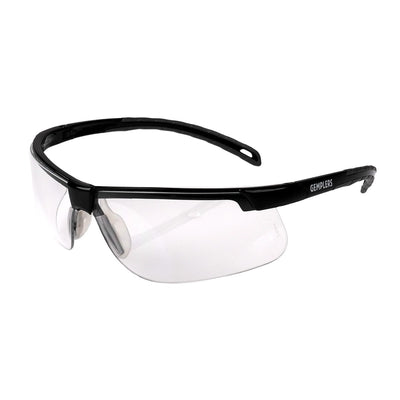
Safety | Tire
Shop Tools
|
 |
Rotate tire so valve stem is at bottom. Loosen core
housing and retighten. Remove rim nut from valve
stem. Thread end of core ejection tool on rim nut
threads and tighten push rod assembly in until it
fits tight over the core housing. Turn counterclockwise
to remove core housing.
After core housing is removed, turn pump control
lever to evacuate. This will pull fluid from tire
and pump it into a barrel or container. After fluid
is removed from tube, tire can be removed for repair.
Air-powered
Diaphragm Pump w/ Core Ejection Tool
- Mounted on convenient carrying/stabilizing stand
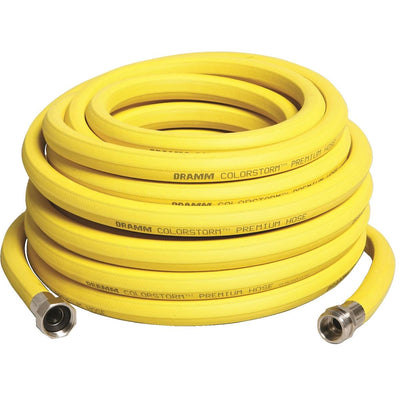
- Includes two 10-ft. hoses
- Switching control valve for easy reversal of
liquid transfer
- Pressure guage
|
|
|
Turn tire and rim so valve is on top. Remove rim
nut from valve stem. Thread end of core ejection
tool on rim nut threads and tighten. Push the rod
assembly in until it fits tight over core housing.
Turn counterclockwise to remove core housing. This
will bleed air back through to container.
When air is out of the tire, turn pump control lever
to fill. As tire is being filled, pressure will build
inside. When the tire is approximately 1/2 full,
turn control lever to evacuate and this will force
air pressure from tire to storage container. When
pressure has been released, turn control lever to
fill and fill tire to valve level (75%). DO NOT fill
tire completely.
After fluid in tire is valve level, stop pump and
turn core tool clockwise pushing forward to thread
core housing in tube stem. Turn control level on
pump to evacuate to release any pressure. Pull back
on plunger rod (core ejection tool); this will release
core housing. Remove core ejection tool. Check air
pressure with air/liquid gauge (Item No. 8D) and
set to manufacturer's specifications. Install rim
nut and valve cap.
Air/Liquid
Tire Gauge
- Calibrated in 1-lb. increments
- 5 - 45 p.s.i.
|
|
Calcium chloride is a salt mixture to add to water
when filling tires with liquid. This mixture will
keep the water from freezing in cold climates. Check
the liquid ballast chart for your tire size.
EXAMPLE - 11.2x38 on 10"-wide rim
Water only will freeze at 32°F and add a weight
of 300 lbs.
109 lbs. of 77% calcium chloride salt flake (Type
1) and 31 gallons of water will freeze at -12°F and
add a weight of 368 lbs.
145 lbs. of 77% calcium chloride salt flake (Type
1) and 29 gallons of water will freeze at -50°F and
add a weight of 387 lbs.
|
 |
4. Mixing Calcium Chloride
Mix calcium chloride and water in a tub or barrel
(plastic works best). Fill container about half full
of water and add calcium chloride flakes. Stir immediately
or flakes will clump and harden. After all flakes
are dissolved in water, add rest of water per mixture
and stir.
50
lb. bag Calcium Chloride
- 77% test CaCl2 salt flakes
- Can also be used to melt snow
|
| Next Step |
|
|
|
| | Back to Top |